

Portable Heating and Cooling Unit

|
|
|
|
|
Gas Heaters
 Gas heating units are best for warming bigger, well-ventilated places such a garage or areas outside of the house. Both standard forms of fuel heating units are ventilated and unvented.
- Unvented gasoline heaters tend to be maybe not for indoor usage simply because they can present harmful gases like carbon monoxide and reduce the quantity of oxygen in your community. That is why, some says have actually prohibited employing unvented gasoline heaters indoors.
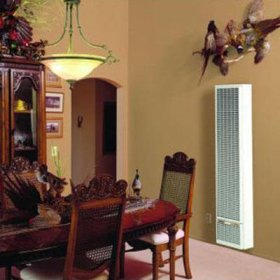
- Vented fuel heaters tend to be meant to be found next to a wall with a vent set up within the wall surface or roof that directs exhaust gases outside. Look for ventilated heaters called “100 per cent outdoor atmosphere” units, which are the safest.
|
|
|
 Heater Styles
Electric and gasoline heating units can be found in many different designs to match virtually any interior or outdoor environment.
Indoor
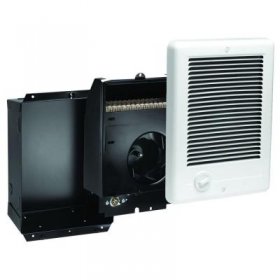
- Baseboard electric heating units, also referred to as low-profile heaters, are put along another wall in a room. They supply constant temperature, inexpensive set up and quiet procedure, and are usually an ideal home heating option for basements and rec areas.
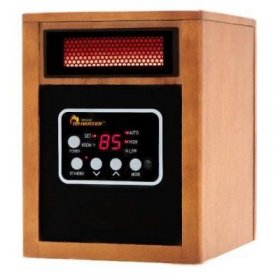
- Tower heating units are electric heating units in a tall-case. They provide directional temperature and so are perfect for living rooms, sunrooms and virtually any area that may be closed off.
- Radiator electric heaters are perfect for extended periods of home heating time and offer even, steady and less drying temperature than vibrant and fan-forced heating units. A great choice for warming bedrooms, they provide a retro appearance many designs include wheels for additional flexibility.
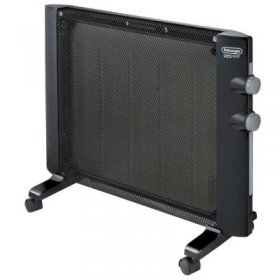
- Panel heating units tend to be peaceful, lightweight, & most may be attached to a wall surface. Panel heaters don't radiate orange, and their modern-day design complements space décor. They truly are typically utilized in big rooms such living spaces.
Outdoor
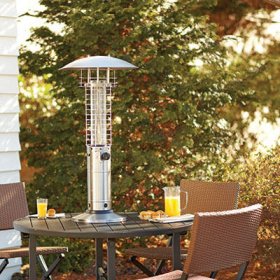
- Terrace heating units is electric or gasoline. Electric models are usually wall-mounted temperature lamps offering directional heat over outdoor baths or dining places. Gas designs produce temperature for a 20-foot diameter location making use of kerosene, propane or gas with umbrella-like designs on poles 7 legs or higher.
Protection Features & Guidelines
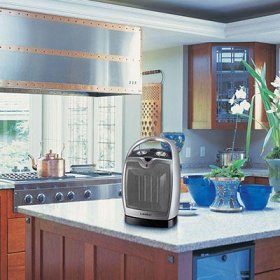
Lightweight heaters is certified to meet up with safety criteria designated by a Nationally known Testing Laboratory. Residence insurance vendors usually require this.
Suggestion: Always plug your heater into a 120-volt wall surface socket. Avoid using an extension cable, power strip, surge protector, numerous socket adapter, cable reel or outlet-type environment freshener.
Seek these safety features:
- Tip-over switches that instantly shut-off the system if it is knocked over unintentionally
- Overheat defense, which shuts off the heater when a sensor detects a pre-determined heat
- Flame-resistant cases and thermally protected engines that provide further fire protection
For extra safety, remember:
- Liquid-filled heaters are often safer compared to those with exposed home heating elements.
- Turn heaters off when you're not home or perhaps in the space.
- Don't use heaters in restrooms or other moist areas unless these are typically authorized for these types of usage.
- Maintain the heater at least 3 foot away from combustible surfaces.
- Utilize gas, propane and kerosene products only in precisely vented places.
- Select units with exterior barbecue grill open positions little adequate to keep fingers and animal paws out.
- Ensure smoke and carbon monoxide detectors tend to be operating properly before making use of any room heating units.
Share this article
Related Posts


Latest Posts


